Convenience Stores
Make Every Cup a Reason to Return.
In convenience retail, great coffee does more than fuel the morning rush. It builds loyalty, drives repeat visits, and creates new opportunities to grow your beverage business.
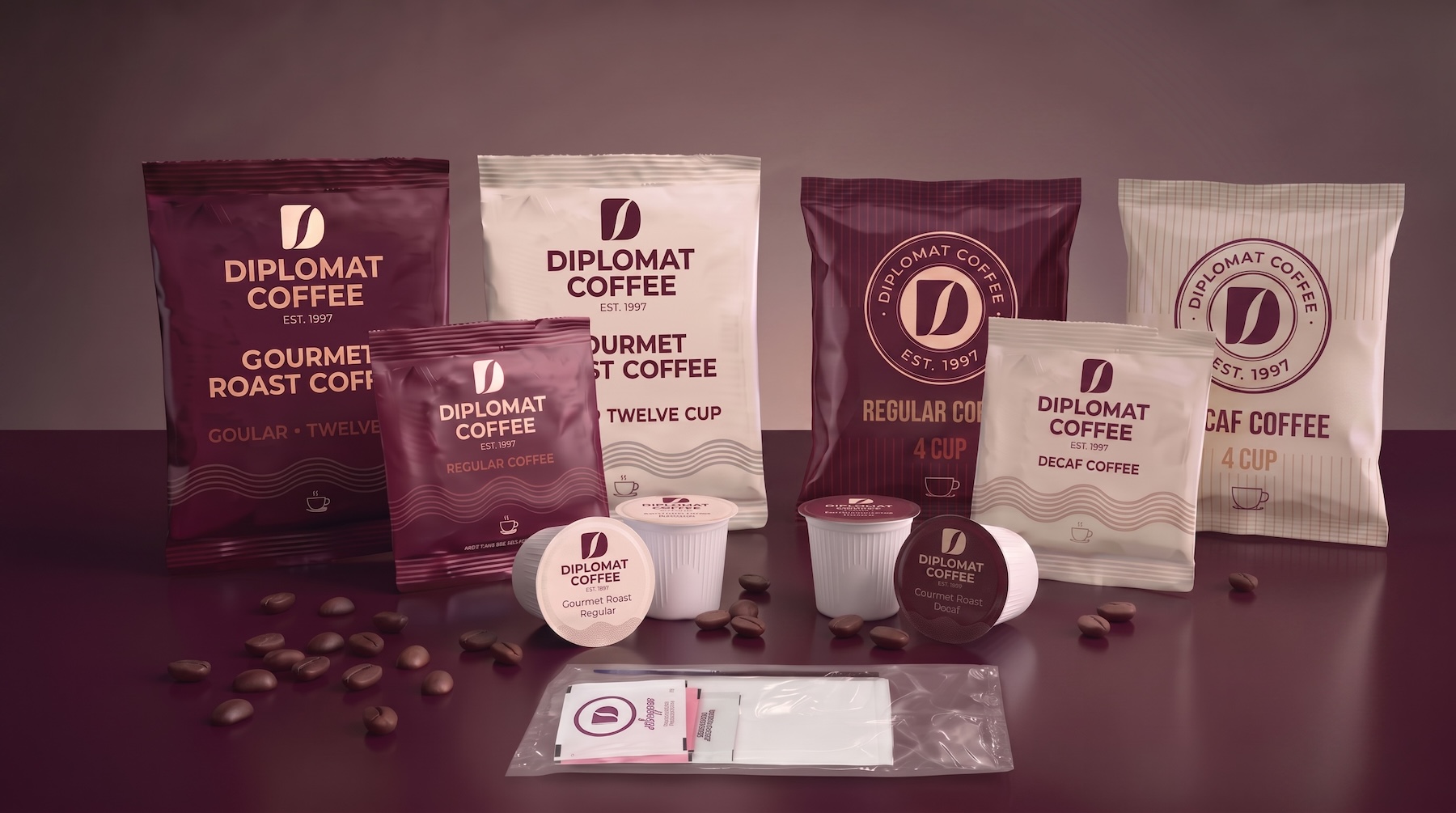
Diplomat Coffee helps convenience store operators transform their coffee programs into a competitive advantage. From premium whole bean and traditional roast and ground coffee to cold brew, liquid coffee, and customized private label programs, we deliver solutions designed to maximize convenience, strengthen your brand, and elevate the customer experience.
Backed by our manufacturing expertise and flexible production capabilities, we help you stay ahead of changing consumer preferences while delivering the quality and consistency your customers expect, one location or hundreds.
Your Brand. Your Coffee Program. More Reasons for Customers to Choose You.
PROGRAMS
A C-Store Coffee Program by Station
Bean-to-cup
Common Formats
Whole bean specified for the machine
Built Around
Grinder compatibility, cup-to-cup consistency
Batch brew and airpots
Common Formats
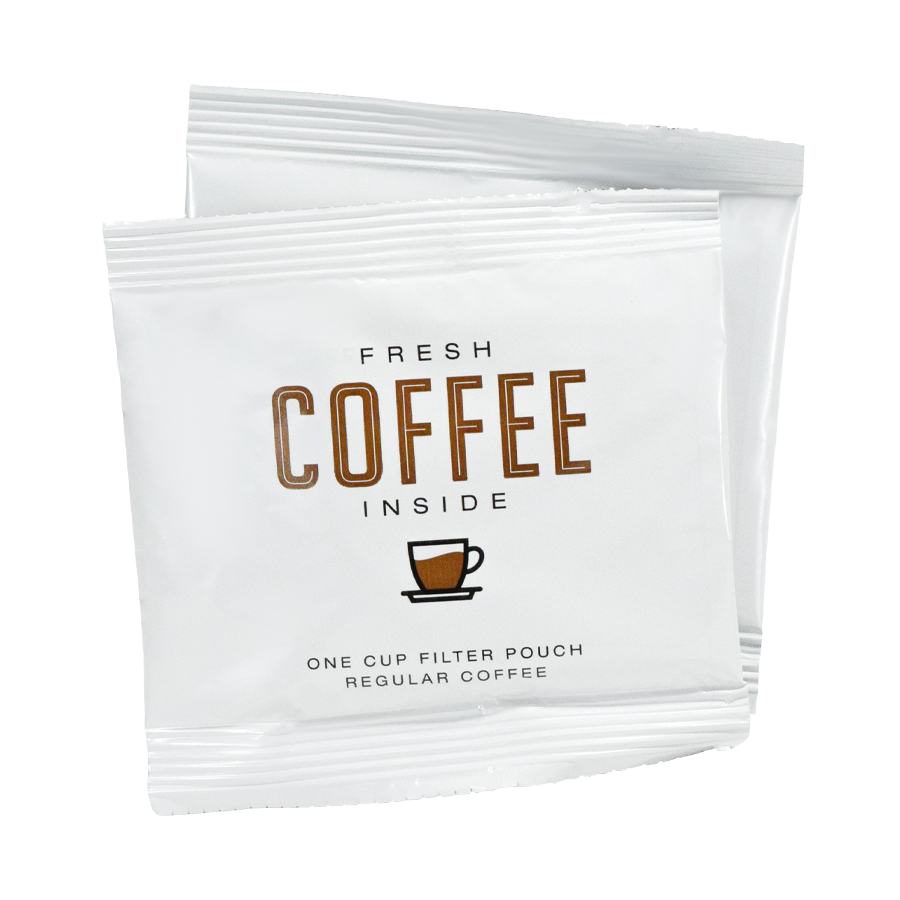
Pre-measured portion packs, ground
Built Around
Speed at peak, dosing discipline, hold time
Cold beverage
Common Formats
Cold brew and iced coffee bag-in-box, liquid concentrate, iced tea
Built Around
Dispenser compatibility, dilution ratio
Cooler
Common Formats
Ready-to-drink bottles
Built Around
Grab-and-go, no wait
Shelf
Common Formats
Packaged private label coffee
Built Around
Take-home extension of the store brand
Condiment bar
Common Formats
Creamers, sugars, stir sticks, hot and iced teas
Built Around
One order instead of several vendors
Batch Brew, Bean-to-Cup, or Both
The biggest decision in a c-store coffee program is not the blend. It is the brewing format, and it drives everything else: equipment cost, waste, labor, and what the coffee tastes like at 2 p.m.
Batch brewing into airpots or decanters keeps equipment costs low and handles a morning rush well. The tradeoff is hold time. Brewed coffee degrades as it sits, so a batch program lives or dies on how disciplined the store is about dumping and rebrewing, and every dumped pot is margin poured down the drain.
Bean-to-cup machines grind and brew one cup at a time. The customer gets a fresh cup whenever they walk in, and there is no pot to dump. The costs are higher upfront equipment spend and a blend that has to be specified for the machine, because a coffee that performs well in a batch brewer can taste thin or harsh through a bean-to-cup grinder.
Many chains now run both: bean-to-cup for the specialty and single-cup customer, and a batch station for the regular who wants a large cup of house coffee fast. We supply all three setups and will tell you which fits each store profile, since a highway travel center and a neighborhood store rarely need the same answer.
|
|
Batch brew
|
Bean-to-cup
|
Hybrid
|
|---|---|---|---|
|
Equipment cost
|
Lower
|
Higher
|
Highest
|
|
Waste risk
|
Higher, driven by hold time
|
Low, brewed per cup
|
Moderate
|
|
Peak-hour speed
|
Strong for regular coffee
|
Slower per cup
|
Strong
|
|
Staff attention needed
|
Brewing, dumping, rebrewing
|
Filling hoppers, cleaning
|
Both
|
|
Diplomat formats
|
Portion packs, ground
|
Whole bean specified for the machine
|
Both
|

Cold Brew and Iced Coffee on Tap
Iced coffee buyers tend to show up after the morning rush, and a c-store without a good cold option loses them to the drive-thru down the road. Brewing cold coffee in store is not realistic for most operators, so the program has to arrive ready to dispense.
We supply cold brew and iced coffee in bag-in-box and liquid concentrate formats that run through standard cold beverage dispensers, formulated to dilution ratios that hold up through the day. Ready-to-drink bottles cover the cooler for customers who do not want to wait at all. Iced tea and juice concentrates can run on the same equipment.
Your Brand in the Cup and on the Shelf
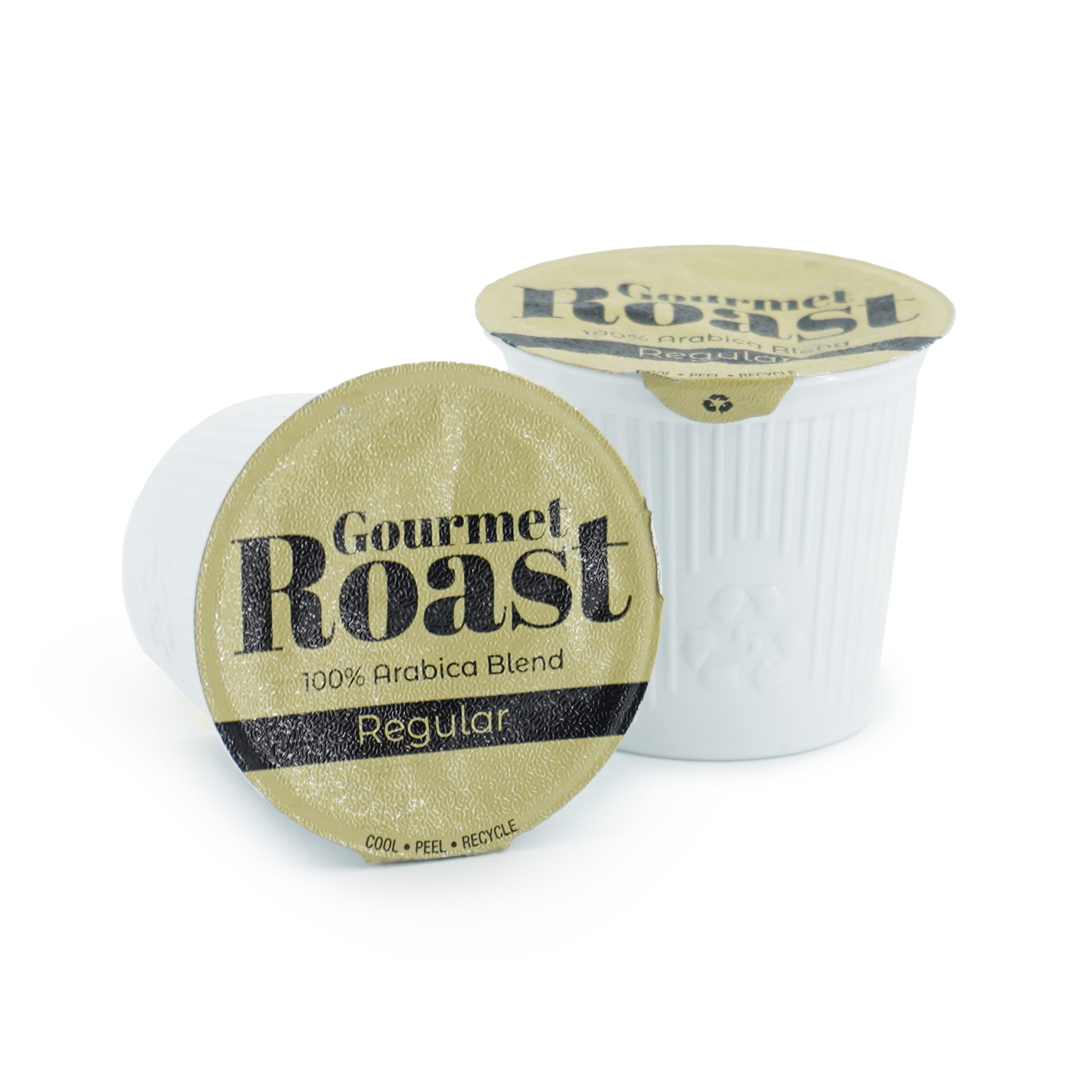
More chains want coffee that carries their own name, because a store brand is something the competitor across the intersection cannot sell. Private label coffee for convenience stores works best when the brand shows up everywhere coffee does: in the cup at the coffee bar and in packaged form on the shelf, so a customer who likes the store’s coffee can take it home.
- Matched blends. Send us what you sell today and our sourcing and roasting teams cup against it until the profile matches, so switching suppliers does not change what regulars taste.
- Proprietary blends. Developed from origin selection up and owned by your brand.
- One blend, several formats. The same coffee specified for bean-to-cup, batch, and packaged retail formats.
- Tiered offerings. A value house blend and a premium blend under one store brand, drawn from one supply chain.
Seasonal Blends and Limited-Time Offers
Seasonal coffee gives regulars a reason to try something new and gives the store a reason to promote the coffee bar. It also runs on a fixed calendar: a fall blend that arrives in October has missed half its season. Because sourcing, roasting, and packaging happen under one roof, a new blend or seasonal SKU moves on a retail calendar rather than a supplier’s. Here is how we approach bringing new coffee products to market quickly.
How a Chain Coffee Program Gets Built
-
Step 1: Cup what you sell now
We start from your current coffee. If the goal is changing suppliers without regulars noticing, this is where that gets decided.
-
Step 2: Specify each station against your equipment
Bean-to-cup blends are specified for the machines you run. Batch dose is set for your brewers. Cold beverage ratios are set for your dispensers. Case configuration is set for back-room storage, which in a c-store is always tight.
-
Step 3: Pilot across store types
We pilot in a handful of stores that represent the chain, not just the best-run location. A highway store with a truck-driver morning and a suburban store with a school-drop-off morning will surface different problems, and both need to be solved before rollout.
-
Step 4: Roll out and review
Once the specification is locked, rollout is phased by region, and usage is reviewed on a set cadence so par levels track actual sales rather than last year's forecast.
Why Convenience Retailers Work With Diplomat
- We are the manufacturer. Sourcing, roasting, packaging, and distribution sit under one roof, so a spec change or a seasonal launch does not wait on a third party.
- Direct origin relationships. Growers and exporters across more than 25 coffee-producing countries, backed by a team with over 100 years of combined experience.
- Format breadth. Whole bean, ground, portion packs, pods, bag-in-box, liquid concentrate, and ready-to-drink from one supplier.
- Built for the store brand. Private label across the coffee bar, the cold station, and the shelf.
- One point of contact. A person who knows your store count, your equipment, and what shipped last month.
- Responsible sourcing. Handled as supply chain practice. Here is what sustainable coffee sourcing looks like in practice.
Who We Supply
- Regional and national convenience store chains
- Travel centers and truck stops
- Fuel retailers with foodservice programs
- Convenience wholesale distributors serving independent stores
Distributors selling coffee programs to independent stores face a specific problem: their sales teams carry thousands of products and cannot be coffee specialists too. We have built programs designed for exactly that situation. See how in our lobby coffee program case study with Guest Supply.
questions
Convenience Store Coffee Questions We Get Most
Should our stores run batch brew or bean-to-cup?
It depends on traffic pattern and how much attention staff can give the coffee bar. High-volume stores with a heavy morning rush often keep batch brew for regular coffee and add bean-to-cup for specialty drinks. Lower-traffic stores tend to waste less with bean-to-cup, because nothing is brewed until someone orders. We supply blends specified for both and can help you decide store by store.
Can you match the coffee we sell now?
Yes. Send us a sample and our sourcing and roasting teams cup against it until the profile matches. Regulars notice a change in their morning coffee quickly, so a supplier switch should be invisible to them.
Can the coffee at our coffee bar also be sold on our shelves?
Yes, and it is one of the better reasons to run a private label program. The same blend can be specified for your bean-to-cup machines and batch brewers and packed for retail sale, so the store brand shows up in the cup and on the shelf.
How do you keep coffee consistent across hundreds of stores?
Through specification rather than training. Blends are specified for the equipment in the stores, batch coffee ships in pre-measured portion packs so dose does not drift, and the program is piloted across different store types before rollout. The less judgment a busy employee has to exercise, the more consistent the cup.
Do you supply cold brew for convenience stores?
Yes. Cold brew and iced coffee come in bag-in-box and liquid concentrate for standard dispensers, and ready-to-drink bottles for the cooler.
Let's Talk About Your Coffee Program
Tell us how many properties you operate, what you pour now, and where the current program is falling short. We will come back with a specification and a realistic timeline, not a sales deck.